
7 Things First-Time Buyers Should Know About College Station Neighborhoods
7 Things First-Time Buyers Should Know About College Station Neighborhoods
Buying your first home can feel equal parts exciting and overwhelming, and that is especially true in a fast-moving market like College Station. One block can feel quiet and tucked away, while the next sits closer to game-day energy, student activity, and everyday conveniences. For first-time buyers, the smartest approach is not just finding a house you like, but understanding how each neighborhood shapes your budget, routine, and long-term comfort.
With a city known for Texas A&M influence, strong community identity, and a steady mix of owner-occupied homes, rentals, and new construction, neighborhood choice matters more than many buyers expect. Cedar Frame Real Estate helps clients look beyond listing photos to focus on lifestyle fit, resale strength, and the details that make a place feel like home. If you are preparing to buy your first property here, these are seven things worth knowing before you commit.
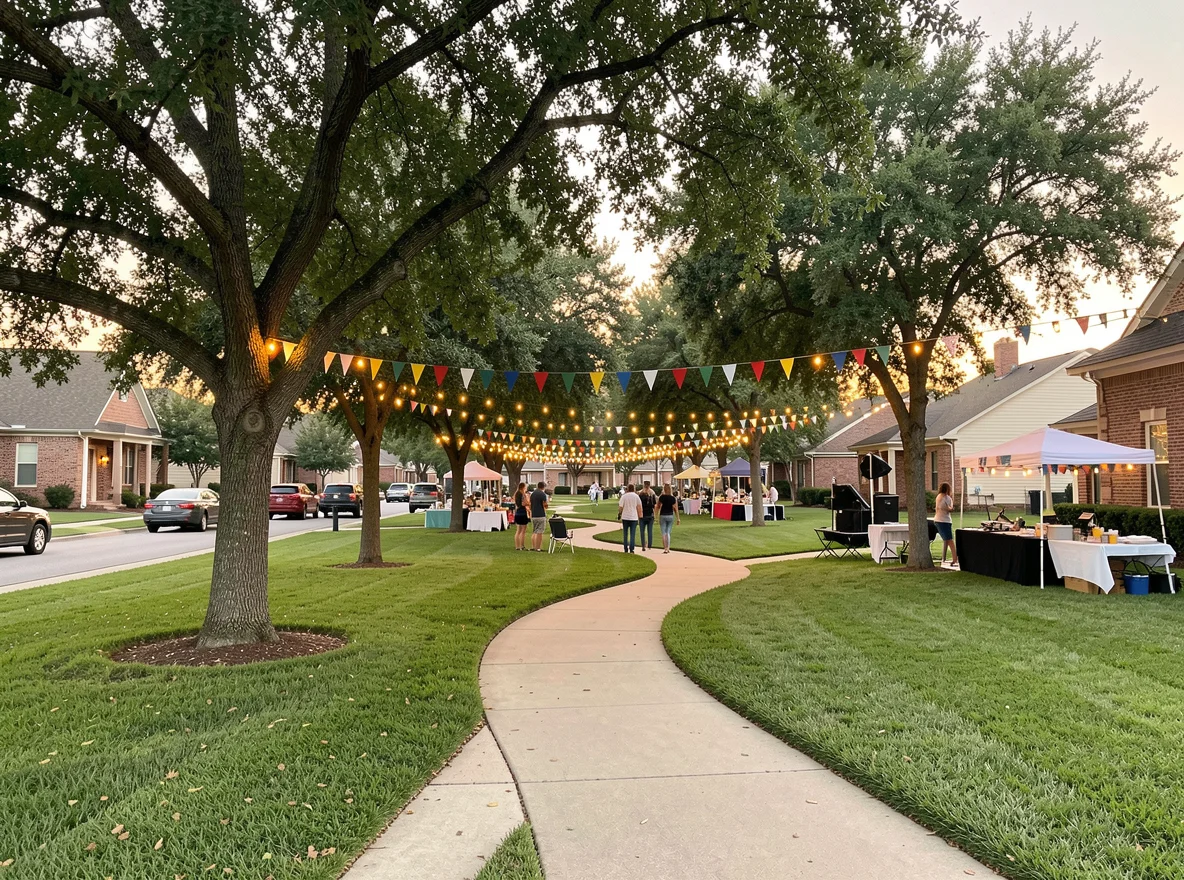
1. Not every neighborhood has the same rhythm. Some areas near campus offer unbeatable convenience, but they can also bring heavier traffic, more rental turnover, and a busier atmosphere during the school year. Other parts of College Station feel more residential, with winding streets, neighborhood parks, and a calmer pace that appeals to buyers planning to stay for several years. First-time buyers should think honestly about how they want daily life to feel, not just how close a home is to a major destination.
2. School boundaries influence value even if you do not have children. Many buyers assume schools only matter to families with kids, but attendance zones often shape demand, resale potential, and neighborhood reputation. In Bryan-College Station, homes connected to well-regarded schools can attract consistent interest. Even if your first home is a starter property, buying in an area with broad appeal can make a future sale much easier.
3. Your commute is about more than distance. A neighborhood that looks close on a map may feel very different during peak traffic, football weekends, or school drop-off hours. Buyers working in Bryan, near Texas A&M, or in medical and research corridors should pay attention to traffic flow, major connectors, and how easily they can reach groceries, gyms, and other everyday stops. A home that saves you ten minutes each way can quietly improve your quality of life every single day.
Look Past the House and Study the Surroundings
4. Amenities shape livability in ways first-time buyers often underestimate. Neighborhood pools, greenbelts, trails, playgrounds, and nearby shopping corridors can all add convenience and enjoyment, but they can also affect dues, traffic, and noise levels. Some buyers love being near active community spaces; others prefer a more tucked-away feel. Spend time driving the area at different hours so you can picture what weekends, evenings, and weekday mornings are actually like.
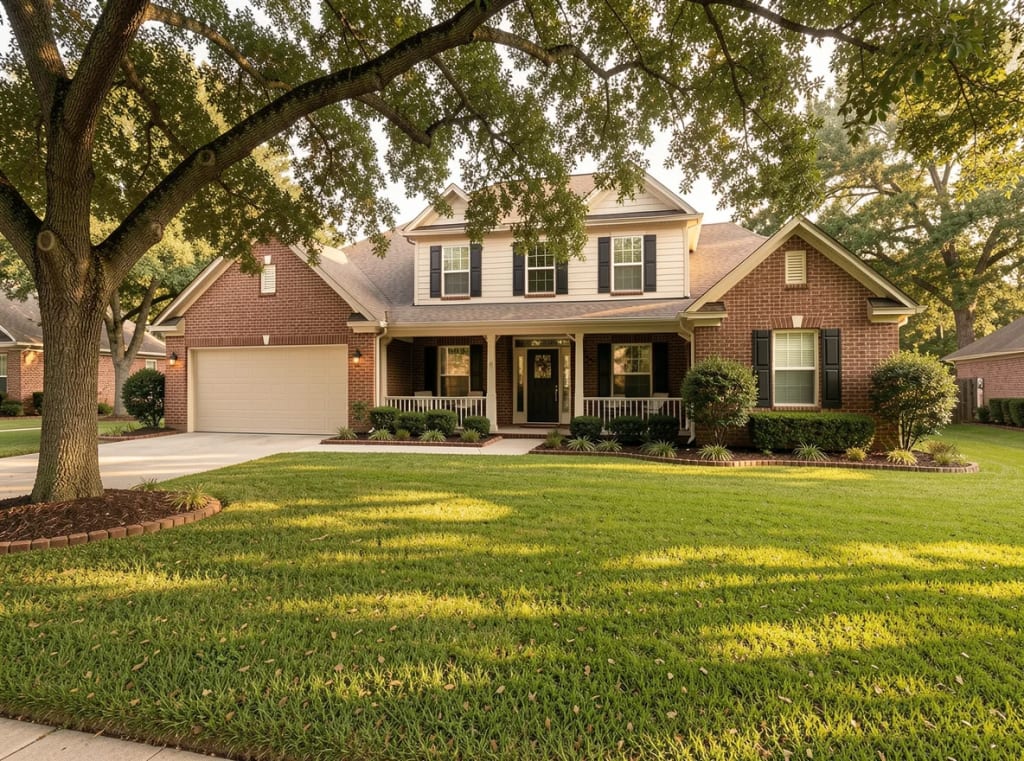
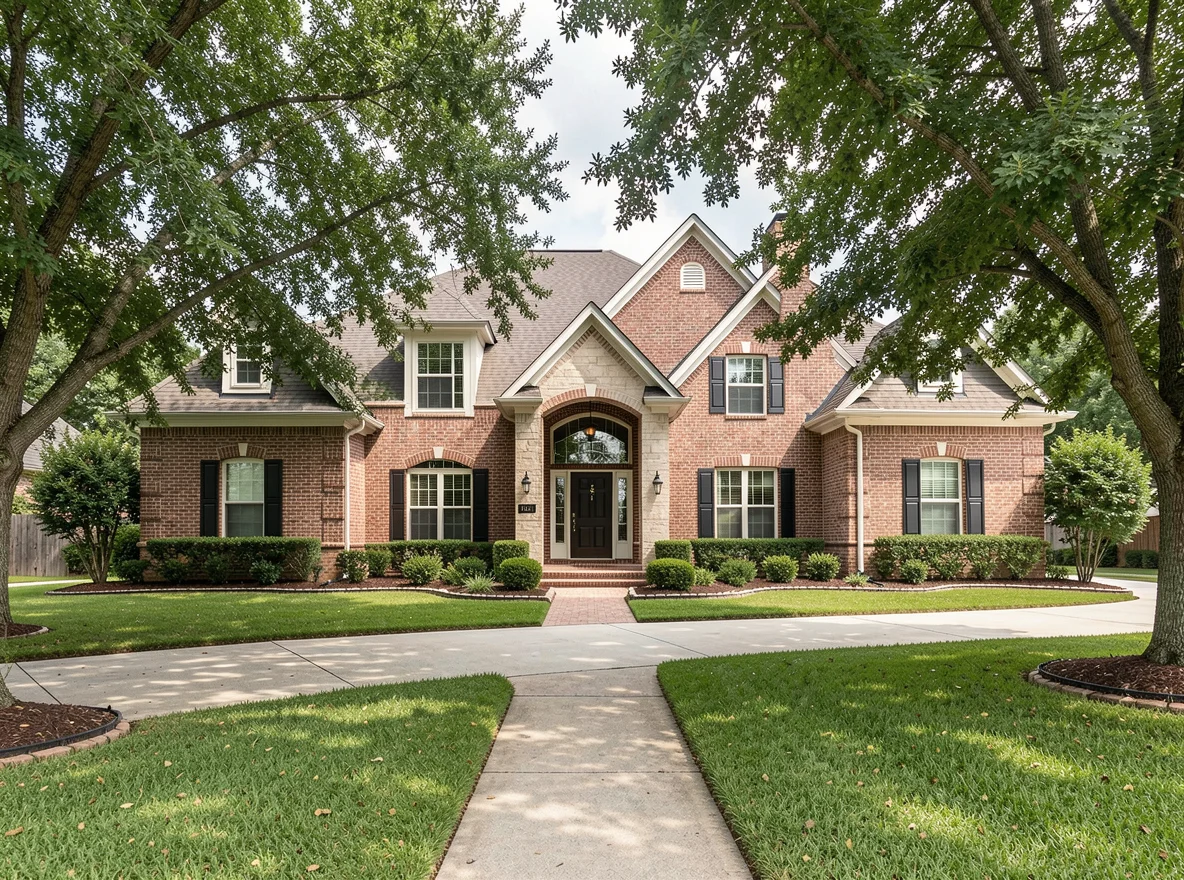
5. College Station has a wide mix of housing styles and ages. That variety is a plus, but it also means first-time buyers need to compare carefully. Established neighborhoods may offer mature trees, larger lots, and character, while newer communities often feature modern layouts, energy-efficient construction, and updated finishes. Neither is automatically better. The question is whether you would rather budget for future updates in an older home or potentially pay more upfront for newer systems and lower maintenance.
6. The student market can affect nearby neighborhoods. Because College Station is anchored by a major university, some areas experience stronger investor activity and a higher concentration of rentals. That does not automatically make those neighborhoods a poor choice, but it can change the feel of the street, parking patterns, lawn upkeep consistency, and resale audience. First-time buyers should ask not only whether they like the home, but whether they are comfortable with the ownership mix around it.
7. Entry-level pricing does not always mean best value. It is tempting to focus on the least expensive neighborhood you can find, especially when interest rates and monthly payments are top of mind. But true value comes from balancing price with condition, location, future marketability, and the likelihood of unexpected repairs. A slightly higher-priced home in a stronger location may be the more stable investment if it needs less work and appeals to more future buyers.
This is where local guidance becomes essential. A boutique team with real Bryan-College Station knowledge can help you notice patterns that are easy to miss online, from street-by-street differences to the subtle reputation of one pocket versus another. Cedar Frame Real Estate approaches the process with honesty, hard work, and a family-oriented mindset, which matters when you are making one of the biggest financial decisions of your life. First-time buyers need more than access to listings; they need someone willing to explain the why behind each option.
A Smart First Purchase Starts With the Right Questions
Before you fall in love with granite counters or a big backyard, ask what the neighborhood will feel like six months after move-in. Will you enjoy the drive? Does the area fit your social life and work routine? Are you comfortable with the age of nearby homes, the level of upkeep on the street, and the balance between homeowners and rentals? Those practical questions often lead to better decisions than emotional reactions alone.
College Station offers a lot for first-time buyers: established communities, newer developments, strong local identity, recreation opportunities, convenient retail, and access to parks and public spaces that support day-to-day living. The key is matching your budget to a neighborhood that supports the lifestyle you want now while still protecting your future flexibility. When you work with a team that treats clients like family, the process becomes less about pressure and more about clarity. And for a first-time buyer, that confidence is worth just as much as the keys themselves.